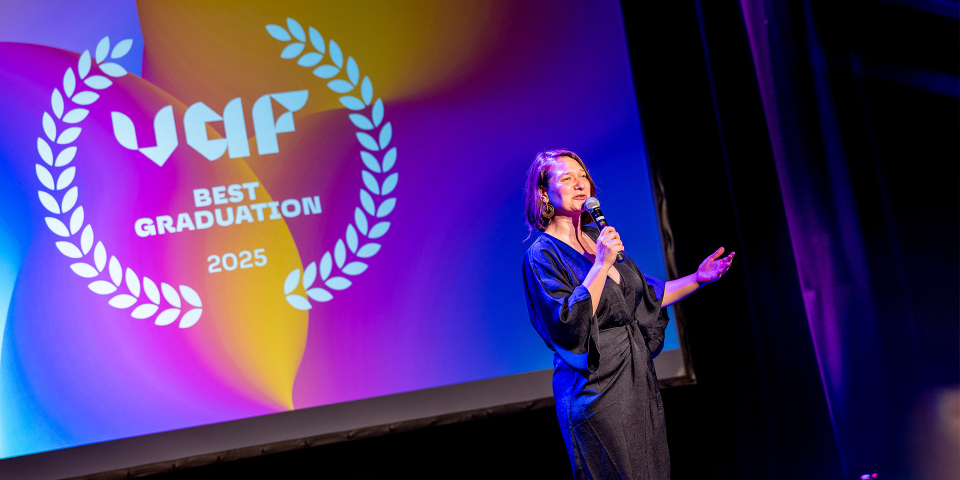
Sandra Brunkow Simonsen
Next week, Forskningens Døgn (Researcher’s Day) takes place across the country — including at The Animation Workshop. Here, you can gain deeper insight into the role animation plays in children’s development and education, animation as a communication tool, and the art of curation and why the best films are not always selected for festivals.
So if you’re curious about animation and the many roles it plays, join us at The Animation Workshop from Monday, 20 April to Wednesday, 22 April, each day at 16:30.
The talks are for free and will be hosted in The Big Class Room.
Address:
The Animation Workshop
Kasernevej 5
8800 Viborg
You can explore the programme right here:
Producing Animation Strengthens Children’s and Young People’s Learning and Development
Monday, April 20 | 4–6 PM
Animation is more than creative expression—it is also a powerful learning tool.
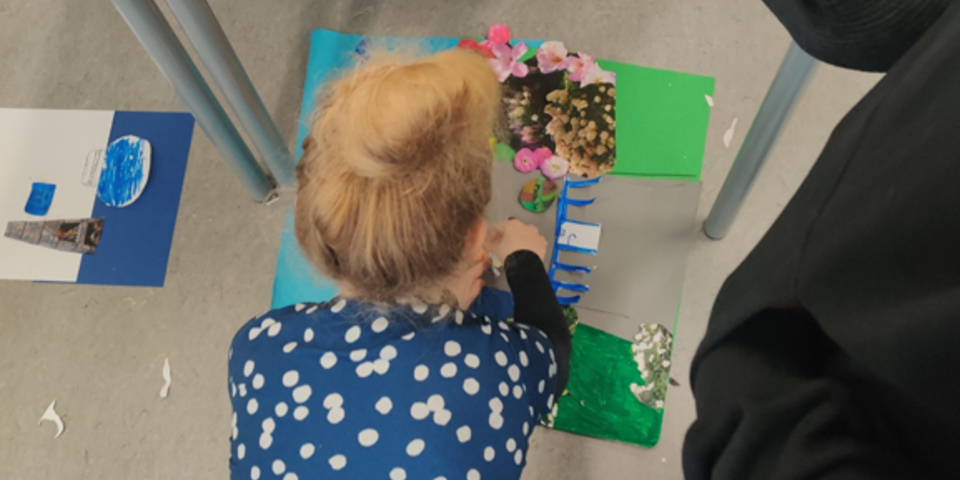
Hanne Pedersen from the Animated Learning Lab at The Animation Workshop shares research findings and practical experience from the project Grib Begreber, where children and young people develop language skills and conceptual understanding through animation.
The talk provides concrete insights and inspiration for professionals working with education, learning, and communication.
Comics as a Tool for Communication
Tuesday, April 21 | 4–6 PM
How do you communicate complex ideas in a clear and engaging way?
As part of Research Night, Assistant Professor Thorbjørn Petersen from Graphic Storytelling at The Animation Workshop demonstrates how comics can be used as a professional tool for teaching, communication, and knowledge sharing.
The session combines a talk with a hands-on exercise and is relevant for anyone working with communication, learning, and visual storytelling.

Assistant Professor Thorbjørn Petersen
The Art of Curation – Why the Best Films Are Not Always Selected
Wednesday, April 22 | 4–6 PM
What really shapes the selection of films for festivals?
Sandra Brunkow, Head of Film at Viborg Animation Festival, offers insight into curation as a professional practice—where funding structures, cultural policy, international considerations, and strategic choices play a decisive role.
A talk for anyone interested in film, cultural leadership, and international collaboration—illustrated with short films and concrete examples from the industry.