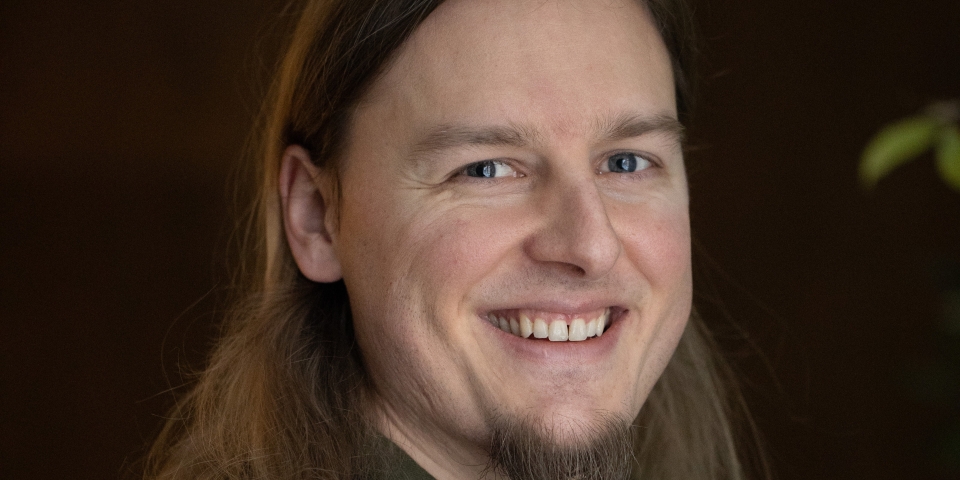
Portrait of Morten B. Helgeland. Credit: Alexander Andersen
Question: What role have you had in the production of 007: First Light?
Morten: On the production of 007: First Light, I’ve been animating and setting up a lot of logic for both the NPCs, Player Character as well as setting up most of the Crowd. With the experience I’ve gathered from Hitman productions, and the connection I have built, I’ve worked closely with the AI team, coders and level designers to build the foundations for how the NPCs behave in the world they inhabit. During the production, I’ve guided newcomers, not only animators but also across disciplines, and given some insight and knowledge for them to continue expanding and build on top of the foundations. Since I have a great knowledge of the engine, I’ve been working all kinds of odd tasks, to figure out, fix and build solutions to problems that emerge.
Question: How have you experienced being part of an international production of this size and caliber?
Morten: Working under an external corporation, and in this case the IP holder, is not new to me. I’ve gotten some experience with Square Enix, when they owned IO Interactive, but nothing comes close to this size and magnitude. The Bond IP stretches through many decades, and is something everyone either grew up with, or knows about in some sense. This puts a bit of pressure on quality, and the fear of failing, not just the IP holders, but also the gamers. The team has also grown a lot compared to my previous released games. The Broccoli family has been kind to us, for believing in us and letting us keep on working for all these years. They trusted in our story, ideas and direction. The team has truly pulled some weight, and put an effort to achieve this grand game!
Question: Can you mention something you are particularly proud of contributing?
Morten: It might be a small thing, but being part of the Eye Look At system really makes the character alive. The way the eyes move dynamically in the game, switching targets instead of glued to the target, staring down the player, is something that I’m proud of working on. I’ve also mentioned laying the foundation to how we make the Acts, but also the ground work for interactive cinematics and the crowd. It has reached new heights when compared to previous IOI titles.
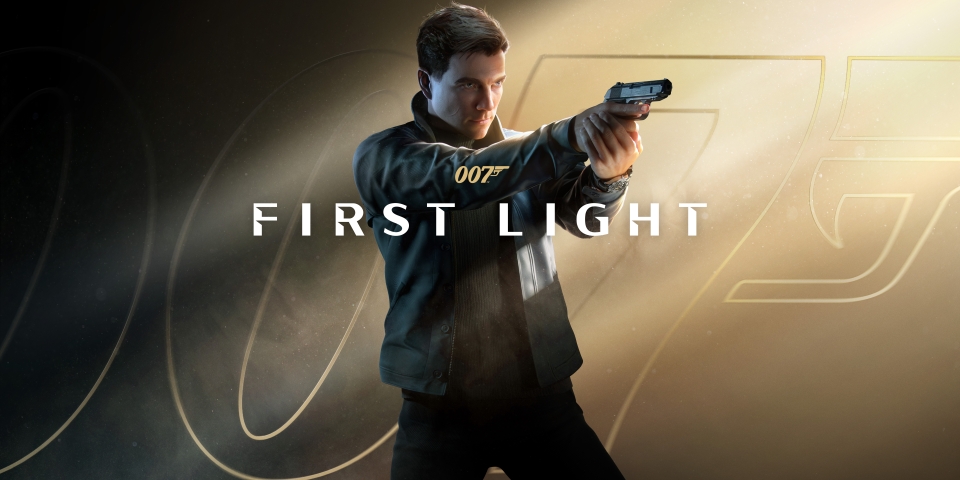
Image from 007: First Light: IO Interactive.
Question: How did you end up in the job you have today?
Morten: My career started with an internship at IO Interactive as the last part of a 3.5 year study Bachelor of Arts Character Animation at The Animation Workshop. I jumped straight into the production of Hitman Absolution, and my enthusiasm for games and the ability to quickly learn the ropes of game development ensured a fulltime contract within a short amount of time. I’ve been deep into the creation of NPC animation, used all over the different Hitman games, creating life and a living breathing world. I continued creating Player animations for agility and interactions, with larger setpieces and in-game cinematics for bigger moments in the game. Late in the Hitman series, I was the sole animator building the Hitman VR experience together with a small team, and I started on 007 First Light directly after. Here I continue to make and develop the living breathing world, exploring the more technical sides of animation production and implementation.
Question: What have you taken with you from your time studying at TAW that you use in your job today?
Morten: The animation skills and eye for believable movement and bringing life to an inanimate object is something all students take with them from The Animation Workshop. When it comes to game production however, some technical knowledge is highly sought after. I always enjoyed the technical aspect of animation and game development, and using the art I learned at school together with my technical flair, I started to build more elaborate systems. Knowing the deep technical aspects of an animation rig, some knowledge of scripting and understanding how to manipulate these is something that really comes in handy when it comes to working in the games industry. A lot of the time, I spend implementing things in the engine instead of actually animating the characters. During my time at TAW, I used a lot of time exploring these aspects of making a scene, not just the animation. When working with rigging, lighting and other different departments, one starts to understand the scene better and understand how everything is tied together. The collaboration between the different departments in the games industry leans heavily on this cross disciplinary knowledge.
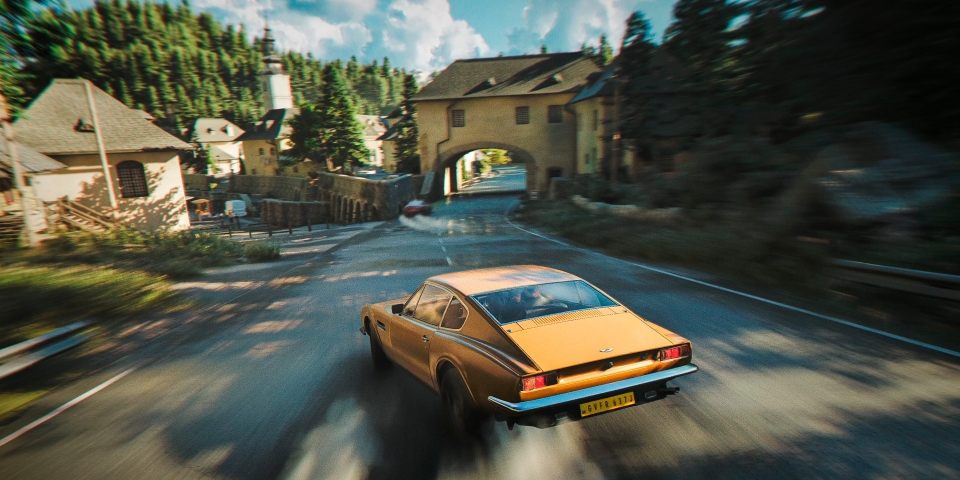
Image from 007: First Light: IO Interactive.